

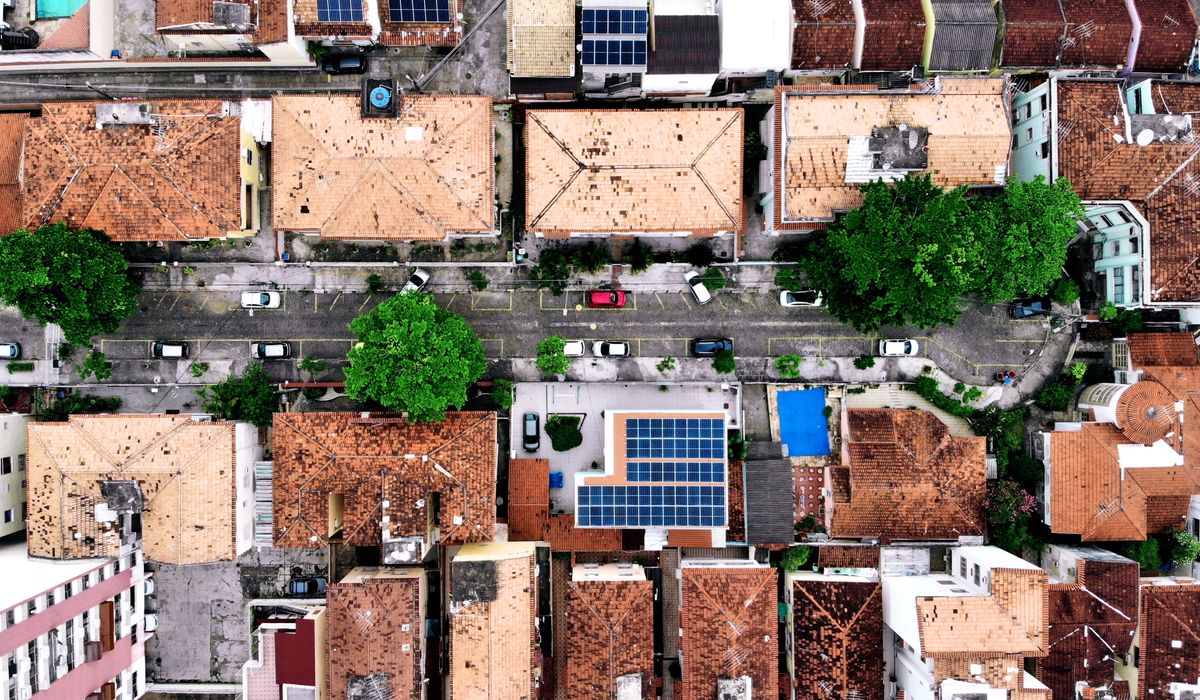
Solar panels are a brilliant investment for UK homes, turning daylight into electricity and reducing your reliance on the grid. But our weather is famously varied, and that variety affects how well your panels perform. From spring pollen to autumn leaves and winter storms, each season brings its own maintenance tasks. The good news is that a little gentle care goes a long way. By scheduling simple cleaning and checking mounting clamps after storms, you can keep your system safe and your output strong all year round.
Spring: Pollen, Sap and the First Clean of the Year
As soon as temperatures rise, trees and plants release pollen. This fine yellow dust settles on solar panels, creating a film that blocks sunlight. Sap from nearby trees can also stick to the glass, and bird droppings become more common as birds nest. These contaminants can reduce output by 5–15% if left unchecked. The fix is straightforward: a gentle clean.
- Choose a cool, overcast morning or late evening to avoid rapid evaporation and streaking.
- Use a soft microfibre cloth or a gentle brush with a long handle – never abrasive pads or harsh chemicals.
- Rinse with lukewarm water first to loosen pollen, then wash from the top down.
- If you have hard water, dry the panels with a soft squeegee to prevent limescale spots.
While you're at it, check for any bird nests forming under the panels. Nesting material can block ventilation and create fire risks. If you spot activity, call a professional to install mesh guards.
Summer: Dust, Heat and Efficiency Checks
Summer brings longer days, but also dry spells and dust. Dust mixed with occasional rain can create a muddy film. Meanwhile, high temperatures can slightly reduce panel efficiency – most panels lose around 0.3–0.5% output for every degree above 25°C. That's normal, but keeping panels clean helps them make the most of the strong sun.
- After a dry spell, rinse panels with a hose (not a pressure washer) to remove dust.
- Check that nearby trees or shrubs aren't shading panels – prune back growth if safe to do so.
- Monitor your inverter or monitoring app for sudden drops in output, which can indicate dirt or a fault.
Also think about home efficiency. Running appliances like washing machines and dishwashers during peak sunlight hours uses your own generated power, cutting bills further. If you have a battery, charge it during the day for evening use.
Autumn: Leaf Litter and Pre-Winter Preparation
Autumn is beautiful, but falling leaves are a solar panel's enemy. They can pile up on rooftops and around panel edges, blocking light and trapping moisture. Wet leaves are especially problematic, as they stick to glass and can cause staining if left. This is also the season to prepare for storms.
- Gently remove leaves from the roof and gutters using a soft brush or leaf blower on a low setting – never walk on the roof yourself.
- Check mounting clamps and rails for signs of looseness or rust. Storm winds can work fixings loose over time.
- Clear any debris from around the inverter and cables to prevent water pooling.
- Consider scheduling a professional inspection if your system is over five years old.
A quick check now can prevent costly damage when winter gales arrive.
Winter: Snow, Ice and Storm Safety
British winters bring short days, low sun angles, and occasional snow. Snow covering panels will stop generation entirely, but never try to scrape it off – you risk scratching the glass or slipping. Let it melt naturally, or use a soft snow rake from the ground if you can reach safely. Ice is best left alone. The real danger is storms.
- After any named storm or strong gales, inspect your panels from the ground with binoculars. Look for misaligned panels, loose clamps, or dangling cables.
- Never go onto a frosty or wet roof. If you suspect damage, contact a qualified installer.
- Check that your inverter is still working and that no water has entered the system.
- Keep an eye on output – a sudden drop after a storm may mean a panel has shifted or a connection has failed.
Safety first. A professional inspection after severe weather is always a wise investment.
Year-Round Habits for a Healthy Solar System
Maintaining solar panels isn't about hard work – it's about regular, gentle attention. Set a reminder to clean your panels two to four times a year, depending on your location. Rural homes near fields may need more frequent cleaning due to agricultural dust, while urban homes might battle more pollution. Coastal properties face salt spray, which can corrode fixings, so rinse panels more often and check clamps annually.
- Keep a simple log of cleaning dates and output readings. This helps you spot trends.
- Never use abrasive materials, pressure washers, or cold water on hot panels – thermal shock can crack glass.
- Book a professional check every three to five years, or after any extreme weather event.
- Combine solar maintenance with other home efficiency tasks, like insulating your loft or draught-proofing windows, to maximise savings.
By working with the British seasons rather than against them, you'll keep your solar panels generating clean energy for decades. A little care now means lower bills and a smaller carbon footprint – whatever the weather throws at you.





John Doe
14 January, 2022Having no content in post should have adverse..
Chauffina Carr
10 April, 2022We use these tests all time! Killer stuff!
Jim Séchen
16 July, 2022Thanks for all the comments, everyone!