

Why Placement Matters as Much as the Battery Itself
A home battery is a brilliant addition to a UK property with solar panels or a heat pump. It lets you store cheap or green electricity and use it when you need it, cutting bills and carbon. But where you put that battery matters just as much as the model you choose. Get it right and it will run efficiently for years. Get it wrong and you risk reduced performance, voided warranties, or even a safety issue. The good news is that most homes have a sensible spot — you just need to know what to look for.
Garages: The Obvious Choice, With Caveats
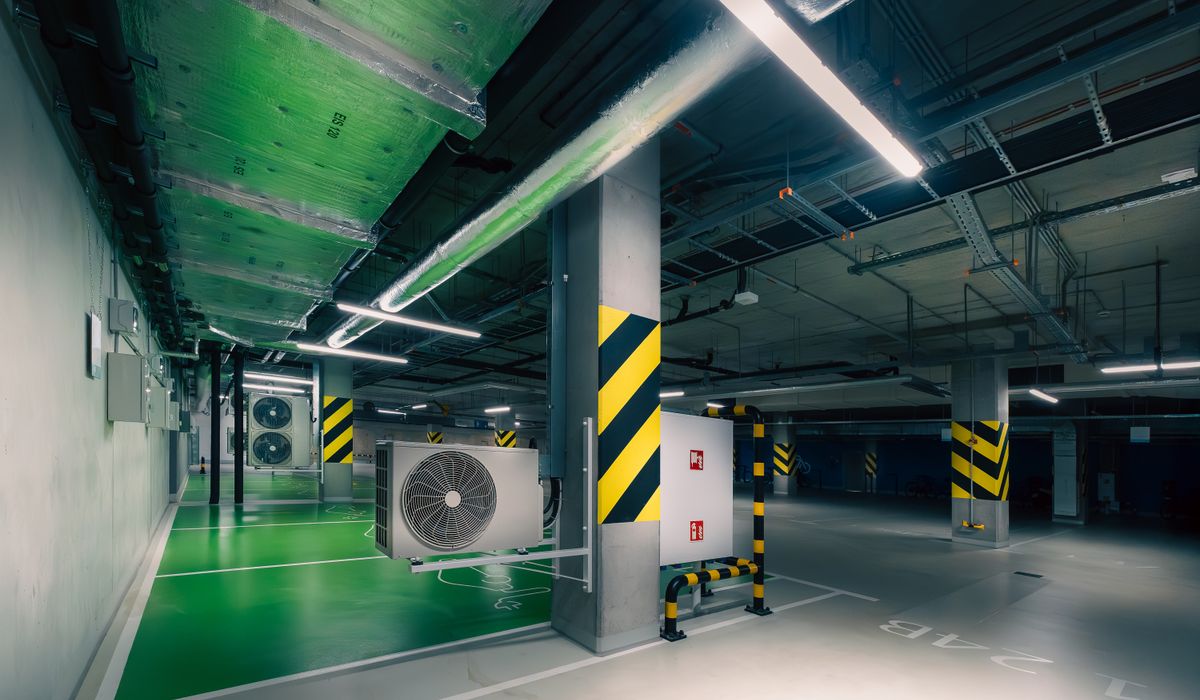
A garage is often the first place people think of, and for good reason. It keeps the battery out of living spaces, provides easy access for installation and maintenance, and usually has a solid wall to mount on. However, not all garages are equal. An unheated, draughty garage can swing from -5°C in winter to 35°C in summer. Most home batteries, particularly lithium iron phosphate (LFP) models, prefer a stable temperature between 10°C and 25°C. Extreme cold reduces usable capacity and can prevent charging; extreme heat accelerates degradation.
If you use your garage for parking, consider exhaust fumes and potential impact. A battery mounted high on a wall, away from the car's path, is safer. Also check for damp — garages often have porous floors and poor ventilation. A battery installed in a damp garage may suffer from corrosion inside the casing.
- Do mount on a dry, internal wall, at least 300mm off the floor.
- Do ensure the garage is frost-free or use a battery with built-in heating.
- Don't install directly above a drain or in a flood-prone spot.
- Don't stack items against the battery — it needs airflow.
Utility Rooms and Cupboards: Convenient but Check the Details
A utility room or a dedicated cupboard near the consumer unit is a popular choice. It's indoors, usually frost-free, and close to your existing wiring. But utility rooms can be surprisingly damp, especially if they house a washing machine or tumble dryer. Moisture is the enemy of electronics. You also need to think about heat: a boiler, hot water cylinder, or a tumble dryer can raise the ambient temperature significantly.
Make sure the space is well-ventilated and not a sealed box. Batteries and their inverters produce some heat themselves, and they need to dissipate it. A cupboard under the stairs can work, but only if it's not packed tight and doesn't sit directly below a bedroom — more on that later. Clearance is key: check the manufacturer's instructions, but typically you need at least 300mm around the unit and 500mm in front for servicing.
Insulated Outbuildings: A Good Option if Done Properly
An insulated garden room, workshop, or brick outbuilding can be an excellent home for a battery. It keeps the technology out of the house, reduces noise from fans, and frees up indoor space. The critical word is insulated. An uninsulated shed will get too cold in winter and too hot in summer. You need a structure that maintains a stable temperature year-round, ideally never dropping below 5°C or rising above 30°C.
You also need a safe, properly sized cable run from the outbuilding back to your main consumer unit. This should be installed by a qualified electrician and protected against weather and pests. If the outbuilding is more than 10 metres from the house, voltage drop may need to be considered. Also think about security: a battery is a valuable piece of kit. A locked, robust building is essential.
Places to Avoid: Bedrooms, Lofts, Damp Cellars and Heat Traps
There are some locations you should simply rule out. Sleeping areas are top of the list. While modern batteries are very safe, any electrical storage system carries a small fire risk. Keeping it away from where people sleep gives you more time to react in the unlikely event of a problem. It also avoids noise — inverters and cooling fans can hum, which is not what you want at 3am.
Lofts are another no-go for most installations. They get extremely hot in summer (often over 40°C) and cold in winter. Heat is the biggest killer of battery life. Damp cellars or basements are equally problematic: moisture, flood risk, and poor ventilation. Also avoid anywhere near a boiler, radiator, oven, or direct sunlight. A south-facing wall in full sun can easily exceed safe temperatures. Finally, don't install in a hallway or escape route where it could block your exit in an emergency.
Getting the Details Right: Clearance, Ventilation and Professional Advice
Wherever you choose, the same principles apply. Give the battery room to breathe. Follow the manufacturer's clearance requirements exactly — they are there for a reason. Ensure the mounting surface is non-combustible, such as brick or concrete, not wood or plasterboard. If the battery is in a garage attached to your house, a fire-rated wall or cabinet may be required by building regulations.
- Ventilation: At least two air bricks or vents for cross-flow, unless the unit is specifically sealed and rated for indoor use.
- Temperature: Aim for 10–25°C. Use a max/min thermometer to check your chosen spot over a week.
- Access: Leave space for an engineer to reach the isolator and connections.
- Flood risk: Mount at least 300mm above the highest expected flood level, or choose another location.
- Professional installation: Always use an electrician registered with a competent person scheme. They will confirm the location meets current wiring regulations and the battery's warranty terms.
Take a little time to choose the right spot, and your home battery will reward you with reliable, efficient storage for many years. If in doubt, ask your installer to survey the options before you commit. A safe, well-placed battery is one you can forget about — in the best possible way.






John Doe
14 January, 2022Having no content in post should have adverse..
Chauffina Carr
10 April, 2022We use these tests all time! Killer stuff!
Jim Séchen
16 July, 2022Thanks for all the comments, everyone!